Project Update - December 2025

Posted on 31st December, 2025

Here is the first of our videos of the churches that are candidates to be Cnut's Minster, St Andrew's in Ashingdon: https://youtu.be/RbsCGh-a3DU


Investigation of the building materials at St. Andrew's has suggested a date around 1170-1200.  We have obtained permission (from the parish) and funding (from the Battlefields Trust) to carry out a resistivity survey in the churchyard there, and we should be doing that in the next couple of months. 


We discovered a 2012 archaeological report showing that there are older foundations underneath the current St Nicholas's church, Canewdon building, and so have obtained permission (from the parish) to carry out a ground penetrating radar survey inside and a resistivity survey outside the church.  We have submitted a request for funding to the Communities Initiative Fund to allow us to do this, and hope to hear in February whether that was successful.  This includes a commitment by the project to hold a community session in Canewdon if the funding bid is successful.
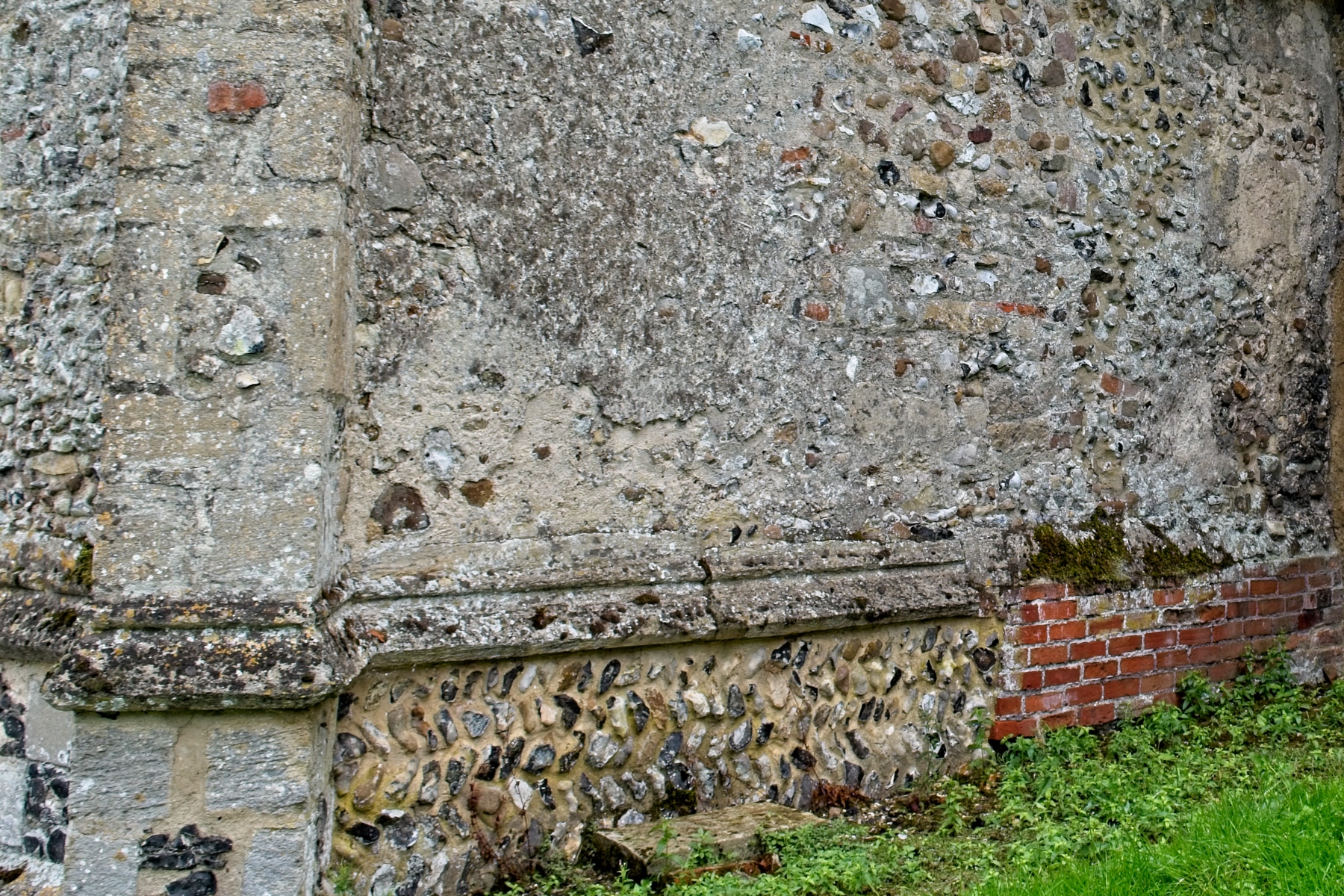
The Battlefields Trust provided funding for the carbon dating exercise in St. Botolph's church, Hadstock.  Three mortar samples have been taken and sent to the USA for specialist carbon dating.  We are due to get the results back in the New Year.
 
The Battlefields Trust also provided funding for a historical investigation at All Saints' church, Ashdon, which is taking place over the Christmas period.
 
We have started to investigate Ashen in North Essex as a possible site of the battle, and will look further at the churches in the area in 2026.
We are looking for funding for a number of additional activities, including the investigation of ancient charters and further historical surveys for the minster candidates in the Ashdon area. 
 
One of the team has produced a timeline of the events leading up to the Battle of Assandun which we may be able to make available in the New Year.


Happy New Year from all of us in the Battle of Assandun Investigation Project Team.  Here's to a successful 2026.

Leave a Comment

I hope you enjoyed this post. If you would like to, please leave a comment below.

I think from all of the evidence, the battle took place in north essex, (the site near Hadstock, Ashton and Linton). The red field site where huge numbers of skeletons were found when a railway line was being build, the hill of ash trees (which the battle was named after can only grow in acidic soil like that of this area, while South essex is London clay soil which does not support ash trees). The very large church in Hadstock dated from the exact period named after the Scandinavian patron saint of sailors. Also the site is on the ancient Ickneil way, and very close to a Roman road leading from the west that intersects the Ickneil way (between London and Balsham,, and the grants valley which leads from the west to Linton and Hadstock / Ashdon(from Mercia, where Cnut was travelling back from). Then the local folk law, stories from families in the area, that talk of a great battle, the red field being called that because of the blood spilt on the soil there, and traitors lane (receding to the English lord that betrayed the English King and withdrew his troops, The battle mounds of nearby Bartlow, several of which were destroyed by a railway, some dated as Roman. I think A serious dig near the old railway line near Linton will find more skeletal remains and probably put this question of which site to bed. However it is far far more likely to be the north essex site between Ashton, Hadstock and Linton.
Hi, I have recently moved to the ashingdon area and was amazed to hear that it may be the site of the battle, I am very interested in what you are doing and would love the opportunity to come along as a volunteer to help in any way I can, would love to learn more